
Bao nhiêu phần trí thông minh của chúng ta được di truyền?

Nguồn gốc trí tuệ con người đã khiến các nhà khoa học và triết gia bối rối trong nhiều thế kỷ. Tính chất phức tạp này, bao gồm khả năng học hỏi, lý luận và hiểu biết của chúng ta, đóng vai trò quan trọng trong việc hình thành thành công cá nhân và sự tiến bộ xã hội. Hiểu được mức độ đóng góp tương đối của di truyền và môi trường đối với trí tuệ có ý nghĩa sâu sắc đối với giáo dục, chính sách và nhận thức về tiềm năng con người.

Ảnh hưởng di truyền đến trí tuệ

Các nghiên cứu liên tục cho thấy trí tuệ là một trong những đặc điểm hành vi có tính di truyền cao nhất ở con người. Ước tính tính di truyền của trí tuệ theo một mô hình đặc trưng, tăng từ khoảng 20% ở thời thơ ấu lên 80% khi trưởng thành. Xu hướng này cho thấy mặc dù các yếu tố môi trường ảnh hưởng đáng kể đến sự phát triển nhận thức sớm, ảnh hưởng di truyền trở nên nổi bật hơn theo tuổi tác.

Một số yếu tố có thể giải thích sự tăng tính di truyền của trí tuệ theo thời gian. Khi trưởng thành, cá nhân có nhiều quyền tự chủ hơn trong việc định hình môi trường phù hợp với đặc điểm di truyền của mình. Các tác động tích lũy của những ảnh hưởng di truyền nhỏ cũng trở nên rõ rệt hơn theo thời gian.

Những tiến bộ gần đây trong nghiên cứu di truyền, đặc biệt là các nghiên cứu liên kết toàn bộ bộ gen (GWAS), đã làm sáng tỏ các biến thể di truyền cụ thể liên quan đến trí tuệ. Các nghiên cứu này đã xác định nhiều locus di truyền chiếm khoảng 20% tính di truyền của trí tuệ. Tiến triển này làm nổi bật khái niệm “tính di truyền còn thiếu” – khoảng cách giữa tính di truyền tổng thể cao của trí tuệ và phần được giải thích bởi các biến thể di truyền đã được xác định hiện nay.

Các nhà nghiên cứu tiếp tục tìm hiểu tính di truyền còn thiếu, khám phá các khả năng như biến thể di truyền hiếm có tác động lớn, sự tương tác phức tạp giữa nhiều gen, và các yếu tố epigenetic ảnh hưởng đến biểu hiện gen mà không làm thay đổi trình tự DNA.

Cơ chế ảnh hưởng di truyền

Ảnh hưởng di truyền đến trí tuệ hoạt động thông qua một số cơ chế. Hôn nhân lựa chọn theo đặc điểm (assortative mating), nơi các cá nhân có xu hướng chọn bạn đời có các đặc điểm tương tự, hình thành cảnh quan di truyền của trí tuệ. Các nghiên cứu đã phát hiện mối tương quan giữa vợ chồng về trí tuệ cao hơn so với nhiều đặc điểm khác. Xu hướng này khiến những người thông minh kết đôi và sinh con có thể làm tăng phương sai di truyền về trí tuệ trong quần thể qua các thế hệ.

Nghiên cứu gần đây đã tiết lộ những khía cạnh thú vị về ảnh hưởng di truyền đến trí tuệ, bao gồm vai trò tiềm năng của các gen có điều kiện. Một số nghiên cứu cho thấy các gen cụ thể liên quan đến chức năng nhận thức tiên tiến chỉ có thể được kích hoạt khi thừa hưởng từ mẹ. Phát hiện này nhấn mạnh bản chất phức tạp của di truyền và làm nổi bật tầm quan trọng tiềm tàng của đóng góp di truyền từ người mẹ đối với trí tuệ.

Các yếu tố môi trường

Mặc dù các yếu tố di truyền ảnh hưởng đáng kể đến trí tuệ, nhưng các tác động môi trường cũng rất quan trọng, đặc biệt là trong giai đoạn đầu đời. Các yếu tố môi trường được ước tính chiếm khoảng 50% sự khác biệt về trí tuệ giữa các cá nhân trong thời thơ ấu và vị thành niên.

Các ảnh hưởng môi trường này bao gồm chất lượng giáo dục, dinh dưỡng, tình trạng kinh tế xã hội và trải nghiệm thời thơ ấu. Sự sẵn có và chất lượng của các cơ hội giáo dục có thể ảnh hưởng đáng kể đến sự phát triển nhận thức và thành tựu trí tuệ. Dinh dưỡng đầy đủ, đặc biệt trong giai đoạn đầu đời, rất quan trọng cho sự phát triển tối ưu của não bộ và chức năng nhận thức.

Ảnh hưởng của môi trường đối với trí tuệ đặc biệt rõ rệt trong tác động của sự chăm sóc và hỗ trợ từ người mẹ. Mối quan hệ tình cảm bền vững và kích thích trí tuệ mà người mẹ cung cấp đã được chứng minh có tác động đáng kể đến sự phát triển nhận thức của trẻ. Ảnh hưởng từ người mẹ này hoạt động thông qua cả con đường di truyền và môi trường, nhấn mạnh sự tương tác phức tạp giữa bản chất và nuôi dưỡng.

Tương Tác Giữa Gen và Môi Trường

Sự tương tác động giữa các khuynh hướng di truyền và các yếu tố môi trường có lẽ là khía cạnh thú vị nhất của việc di truyền trí tuệ. Sự tương tác này được minh họa qua mối tương quan gen-môi trường, trong đó các cá nhân với các khuynh hướng di truyền cụ thể tìm kiếm hoặc tạo ra các môi trường phù hợp và củng cố những xu hướng đó.

Ví dụ, một đứa trẻ có khuynh hướng di truyền về khả năng ngôn ngữ có thể quan tâm nhiều hơn đến việc đọc sách, thúc đẩy cha mẹ và giáo viên cung cấp thêm cơ hội phát triển ngôn ngữ. Theo thời gian, quá trình này có thể khuếch đại tác động của các khuynh hướng di truyền, góp phần vào sự gia tăng tính di truyền của trí tuệ theo tuổi tác.

Tính linh hoạt của trí tuệ phản ứng với các yếu tố môi trường mở ra cơ hội cho các can thiệp. Nhiều chương trình và chiến lược, như các sáng kiến giáo dục mầm non, rèn luyện nhận thức và bổ sung dinh dưỡng, đã cho thấy tiềm năng trong việc nâng cao khả năng nhận thức, đặc biệt ở trẻ em từ các hoàn cảnh khó khăn.

Mở Rộng Hiểu Biết của Chúng Ta

Khi nghiên cứu trong lĩnh vực này tiến triển, chúng ta có khả năng hiểu sâu hơn về các yếu tố di truyền và môi trường đóng góp vào trí tuệ. Những tiến bộ này mở ra các khả năng mới cho giáo dục cá nhân hóa và các can thiệp nhằm tối ưu hóa sự phát triển nhận thức.

Hướng nghiên cứu trong tương lai có thể bao gồm:

  1. Nghiên cứu epigenetic: Điều tra cách các yếu tố môi trường ảnh hưởng đến biểu hiện gen mà không làm thay đổi trình tự DNA, có thể giải thích một phần “tính di truyền còn thiếu”.
  2. Nghiên cứu theo chiều dọc: Theo dõi các cá nhân từ thời thơ ấu đến trưởng thành để hiểu rõ hơn cách các yếu tố di truyền và môi trường tương tác theo thời gian để hình thành trí tuệ.
  3. So sánh liên văn hóa: Khám phá cách các ảnh hưởng di truyền và môi trường đối với trí tuệ có thể khác nhau giữa các nền văn hóa và xã hội.
  4. Nghiên cứu hình ảnh não: Sử dụng các kỹ thuật hình ảnh não tiên tiến để khám phá các yếu tố thần kinh liên quan đến trí tuệ và mối liên hệ của chúng với các yếu tố di truyền và môi trường.
  5. Nghiên cứu tương tác gen-môi trường: Khám phá cách các biến thể di truyền cụ thể phản ứng khác nhau với các ảnh hưởng môi trường khác nhau.
  6. Phân tích quỹ đạo phát triển: Nghiên cứu này xem xét cách mức đóng góp tương đối của các yếu tố di truyền và môi trường thay đổi theo các giai đoạn đời khác nhau.
  7. Nghiên cứu can thiệp: Phát triển và thử nghiệm các can thiệp nhắm mục tiêu dựa trên các yếu tố rủi ro di truyền và môi trường để nâng cao phát triển nhận thức.
  8. Nghiên cứu song sinh và nhận nuôi: Sử dụng các thiết kế nghiên cứu vững chắc này để phân tách ảnh hưởng di truyền và môi trường đối với trí tuệ.
  9. Nghiên cứu di truyền phân tử: Xác định thêm các biến thể di truyền liên quan đến trí tuệ và khám phá vai trò chức năng của chúng trong các quá trình nhận thức.
  10. Mô hình hóa tính toán: Phát triển các mô hình tinh vi để mô phỏng sự tương tác phức tạp giữa gen và môi trường trong việc hình thành trí tuệ.

Cân Nhắc Đạo Đức

Khi chúng ta khám phá nhiều hơn về cơ sở di truyền của trí tuệ, điều quan trọng là tiếp cận các phát hiện này một cách thận trọng và cân nhắc. Những tác động đạo đức của nghiên cứu di truyền về trí tuệ rất sâu sắc và đòi hỏi thảo luận kỹ lưỡng để đảm bảo kiến thức này được sử dụng một cách có trách nhiệm và công bằng.

Một số cân nhắc đạo đức quan trọng bao gồm:

  1. Tránh định mệnh di truyền: Nhận ra rằng ảnh hưởng di truyền không định sẵn mức trí tuệ cụ thể cho mỗi cá nhân.
  2. Ngăn ngừa phân biệt đối xử: Đảm bảo thông tin di truyền liên quan đến trí tuệ không bị sử dụng để phân biệt đối xử trong giáo dục, việc làm hoặc các lĩnh vực khác của cuộc sống.
  3. Giảm bất bình đẳng: Sử dụng hiểu biết về ảnh hưởng di truyền và môi trường để phát triển chiến lược giảm chênh lệch trong phát triển nhận thức và kết quả giáo dục.
  4. Tôn trọng quyền riêng tư cá nhân: Bảo vệ thông tin di truyền và đảm bảo cá nhân kiểm soát cách dữ liệu di truyền của họ được sử dụng và chia sẻ.
  5. Thúc đẩy công bằng trong nghiên cứu: Đảm bảo các nghiên cứu di truyền về trí tuệ bao gồm các nhóm dân cư đa dạng để tránh thiên lệch và cải thiện khả năng tổng quát hóa kết quả.
  6. Thúc đẩy hiểu biết công chúng: Giáo dục công chúng về bản chất phức tạp của việc di truyền trí tuệ để ngăn ngừa hiểu sai và sử dụng sai thông tin di truyền.
  7. Xem xét tác động xã hội: Suy ngẫm về cách tiến bộ trong hiểu biết về di truyền trí tuệ có thể ảnh hưởng đến chính sách xã hội, thực hành giáo dục và giá trị văn hóa.

Kết luận, mặc dù một phần đáng kể trí tuệ của chúng ta thực sự được thừa hưởng, câu chuyện về khả năng nhận thức của con người là một sự tương tác liên tục giữa di sản di truyền và kinh nghiệm sống. Hiểu biết này làm phong phú tri thức khoa học của chúng ta và giúp tạo ra môi trường, cơ hội để mọi cá nhân có thể phát triển tối đa tiềm năng nhận thức.

Exploring the Wechsler Adult Intelligence Scale (WAIS)

The Wechsler Adult Intelligence Scale (WAIS): A Cornerstone of Cognitive Assessment

The Wechsler Adult Intelligence Scale (WAIS) is a fundamental instrument in assessing human cognitive abilities. Developed by David Wechsler in 1955, it has undergone multiple revisions to maintain its relevance and accuracy in measuring adult intelligence.

Structure and Domains of the WAIS

The WAIS evaluates individuals between 16 and 90 years old across four primary cognitive domains:

  1. Verbal Comprehension
  2. Perceptual Reasoning
  3. Working Memory
  4. Processing Speed

These domains collectively provide a comprehensive profile of an individual’s intellectual capabilities.

Test Components and Scoring

The test consists of various subtests designed to measure specific cognitive skills. For example, the Vocabulary subtest assesses language development and word knowledge, while the Block Design subtest evaluates visual-spatial reasoning and problem-solving abilities.

One of the strengths of WAIS lies in its ability to generate both an overall intelligence quotient (IQ) score and separate scores for each cognitive domain. This multifaceted approach allows a nuanced understanding of an individual’s cognitive strengths and weaknesses.

Applications of the WAIS

The WAIS has found applications in numerous fields:

  • Clinical Psychology: It aids in diagnosing cognitive impairments and intellectual disabilities.
  • Educational Settings: The test helps identify learning disabilities and inform educational planning.
  • Neuropsychology: It assists in assessing cognitive functioning following brain injuries or neurological conditions.
  • Research: The WAIS serves as a standardized measure of intelligence in various studies.

The Rise of Online Cognitive Assessments

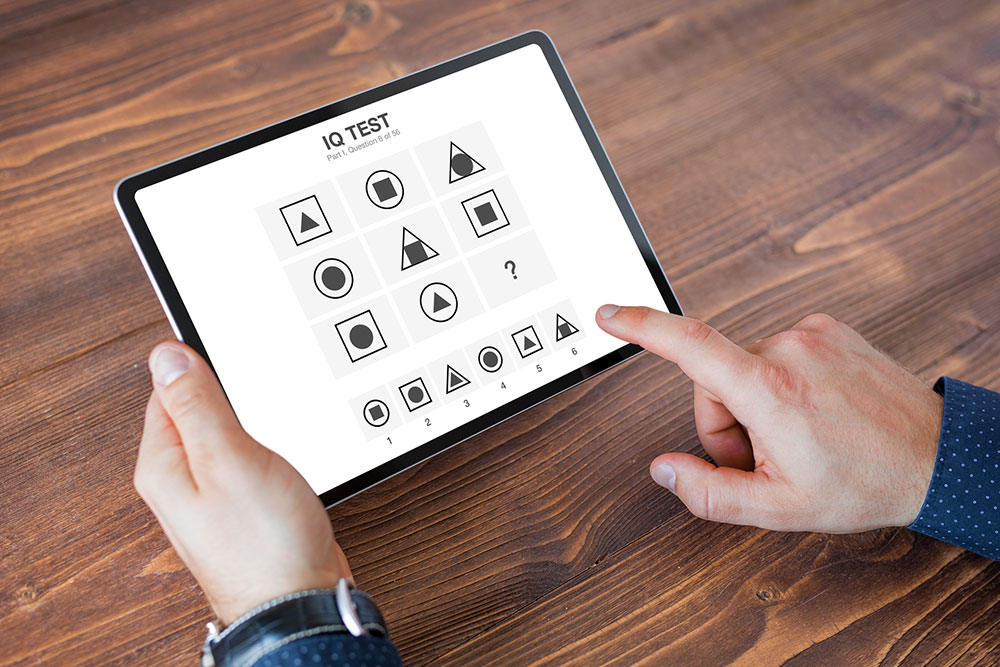
The advent of online cognitive assessments has led to digital versions of IQ tests, including those based on the WAIS framework. These online tests offer increased accessibility and convenience. Users can take the test from their homes, often receiving instant results.

Limitations of Online WAIS-Inspired Tests

However, online WAIS-inspired tests come with significant limitations:

  1. Lack of Professional Administration: The WAIS is designed to be administered by trained professionals who can observe and interpret behaviour during the test.
  2. Absence of Controlled Environment: Online tests cannot replicate the standardized testing conditions of an in-person assessment.
  3. Limited Validity: Without proper validation studies, the accuracy of online versions remains questionable.
  4. Incomplete Assessment: Many online tests focus solely on IQ scores, neglecting the comprehensive cognitive profile provided by the full WAIS.
  5. Potential for Misinterpretation: Individuals may need professional guidance to understand their test results.

For these reasons, online WAIS-inspired tests should be approached with caution. They may serve as entertaining exercises or provide a rough estimate of cognitive abilities, but they cannot replace a professionally administered WAIS in clinical or educational settings.

The Future of Intelligence Assessment

The future of intelligence assessment likely involves a blend of traditional methods and technological advancements. Researchers are exploring ways to leverage artificial intelligence and machine learning to enhance cognitive testing. These technologies could potentially:

  • Adapt test difficulty in real-time based on performance
  • Analyze subtle behavioral cues during test-taking
  • Provide more accurate and culturally fair assessments

Emerging Technologies in Cognitive Testing

Virtual reality (VR) and augmented reality (AR) technologies may also be used in future cognitive assessments. These immersive environments could offer more engaging and ecologically valid testing scenarios.

Enduring Principles of the WAIS

Despite technological advancements, the core principles of the WAIS remain relevant. The test’s emphasis on multiple cognitive domains and its standardized administration continue to provide valuable insights into human intelligence.

Evolving Concepts of Intelligence

As research in cognitive science and neuroscience progresses, our understanding of intelligence continues to evolve. Howard Gardner’s concept of multiple intelligences challenges the notion of a single, unified intelligence measured by traditional IQ tests.

This evolving understanding may lead to future revisions of the WAIS or the development of new assessment tools that capture a broader range of cognitive abilities. These include measures of emotional intelligence, creative thinking, or practical problem-solving skills.

The WAIS and its online derivatives represent a continuing effort to quantify and understand human cognitive abilities. While online tests offer increased accessibility, they cannot replace the depth and accuracy of professionally administered assessments.

As technology advances and our understanding of intelligence deepens, cognitive assessment tools will likely become more sophisticated and comprehensive. The challenge lies in balancing technological innovation with the rigorous standards and professional interpretation that have made the WAIS a trusted instrument in psychological assessment.

Ready to embark on the journey of intelligence assessment?

Click here to begin the WW IQ TEST now!

Top 10 Brain Training Apps


Performance is the main reason for pressure and stress in today’s high-paced world. We are
constantly on the spotlight when it comes to getting whichever task done as quickly and efficiently
as possible that we often forget to take care of ourselves. We are always on the clock and this takes
a huge toll on our overall health and energy levels.
This is not something you should worry too much about though. There is no need to think you are
going crazy, let alone to start knocking on your friendly neighborhood therapist’s door. All you need
is a little motivation. The following list will run you through 10 great apps to help you keep the juices
flowing and your mental health as sharp as ever.

1. Lumosity
Lumosity is one of the most respected, well known and consolidated brain training and mental
fitness programs in the market today. What makes Lumosity stand out is its games that mostly focus
on improving one’s memory and problem-solving skills while also working on your attention span.
You can either play the game directly on their website or through their free apps for either iOS or
Android. Lumosity also provides a meditation and mindfulness app called Lumosity Mind. As an
interesting sidenote, studies performed on children with cancer-related brain injuries have shown
developments in memory and executive function after undergoing Lumosity-like brain training.

2. Sudoku
There is nothing wrong with going with a golden oldie and pen and paper favorite like Sudoku. With
no need for fancy graphics nor flashy animations, Sudoku is one of those puzzle games that will get
your brain focused for hours. Sudoku hasn’t lost any of its appeal and it isn’t hard to find a huge
variety of apps to choose from with a countless supply of variations to go with it. Not only does
Sudoku provide brain training, as it relies on short-term memory, it is also a great way of passing
the time and provides you with that added ego-boost every time you complete a puzzle!

3. CogniFit Brain Fitness
Created with the priceless contribution of neuroscientists, this entertaining app is aimed at
improving a user’s levels of memory and concentration. Apart from being able to track your progress
as you go, you can also challenge your friends in an ever-satisfying battle of the brains! What is really
appealing about the app is that it adjusts the difficulty level based on your overall performance and
results. CogniFit Brain Fitness isn’t time consuming and you will start seeing results with a few 20-
to-30-minute sessions per week.

4. Eidetic
Eidetic is a memory enhancement app that uses the repetition technique to aid users in memorizing
important information such as phone numbers, credit card details, passwords or even specific
words. Apart from this Eidetic also notifies you when it is test time, in an attempt to help you retain
information in your long-term memory. Eidetic is a very interesting app for older adults, particularly
those who are beginning to notice memory lapses. Apart from being free, this app is very userfriendly.

5. Braingle
Braingle prides itself in having the largest collection of brain teasers available with over 15,000
puzzles and games. Different from other apps, that focus on memory and reaction-based tests,
Braingle’s approach to help maintain brain sharpness is through the use of riddles, codes and
ciphers, trivia quizzes and optical illusions. You can even play against your friends and family which
adds a lot of interactivity to this already unique product.

6. Personal Zen
Personal Zen’s goal is to reduce stress and increase the user’s well-being. According to the creators,
a 5–10-minute use may improve well-being while a continuous interaction of up to 40 minutes per
week may assist in significantly reducing your stress level. Another very important aspect of this app
is that it trains the brain to focus on positive aspects and provides strategies on keeping out
negativity that can have an unpleasant impact on your mental capabilities.

7. Elevate
Alongside Lumosity, Elevate is widely considered as one of the top 2 brain training apps today. With
over 35 games that track five different types of mental development, it is easy to see why Elevate is
an app to consider. Elevate pays special attention to reading, writing, speaking and math apart from
allowing you to customize your training and focus on whichever subjects you would prefer to pay
more attention to. As with most other brain games, you can track your progress to see how your
skills are improving. The app is free for both iOS and Android.

8. Peak
Peak is an iOS and Android oriented app that looks gorgeous with its very visually pleasing design,
game layout and highly intuitive flow. Peak delivers brain games to work on focus, memory,
problem-solving, mental agility as well as other cognitive functions. Its competitive side is also a plus
as you can challenge other users and are able to compare your progress with Peak’s ever-growing
community. Should you have an Apple Watch, you can seamlessly integrate the app with it. Peak is
free to use and offers a subscription model should you be interested in trying some of its more
advanced features.

9. Crosswords
Alongside Sudoku, Crosswords are a classic brain trainer that combines not only verbal language but
also memory. This is possibly the most recognized form of brain training and surely the one we all
grew up doing, be it printed in the last pages of newspapers, magazines or in dedicated exercise
books. Crossword puzzles are easily found online via free or very cheap apps.

10. Happy Neuron
Happy Neuron splits its games and activities into five important brain areas: memory, attention,
language, executive functions, and visual/spatial, all based on scientific research. As is the case with
other renowned brain training apps, it tailors the training to your personal needs and tracks your
progress. Happy Neuron offers a free trial so you can test their product before purchasing it. The
monthly subscription is well worthwhile, allowing you to access its full content via their site and/or
Android app.

The Smartest People You Have Never Heard of


Trying to come up with a list of the smartest people who ever stepped foot on the planet is
anything but an easy task to accomplish. Intelligence is highly subjective and so are the skills that
define someone as smart. Being intelligent is one thing, using that intelligence to in some way
advance humanity, is something entirely different. At an IQ level, anything above 140 is generally
considered near genius. Nonetheless, here is a list of some of the brainiest unsung humans who
ever lived.

William Sidis

William_Sidis

William James Sidis was an American child prodigy said to have an IQ between 250 and 300,
possibly the highest score ever. Apart from his above-average math skills, which allowed William
to join Harvard at the age of 11, he also spoke 40 languages. Sadly, William did not live up to
expectations and matured into an average human being, landing mediocre jobs and getting into
trouble with the law on several occasions.


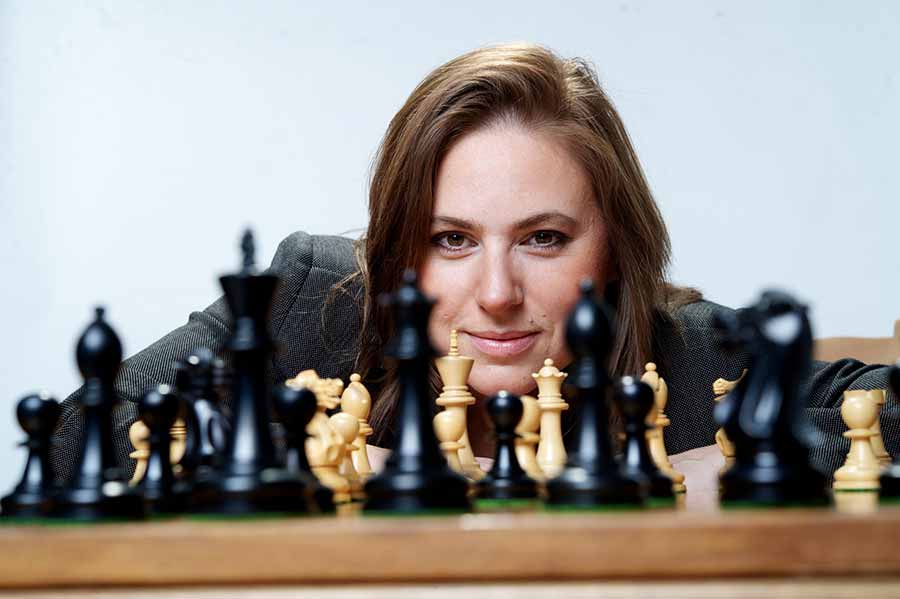
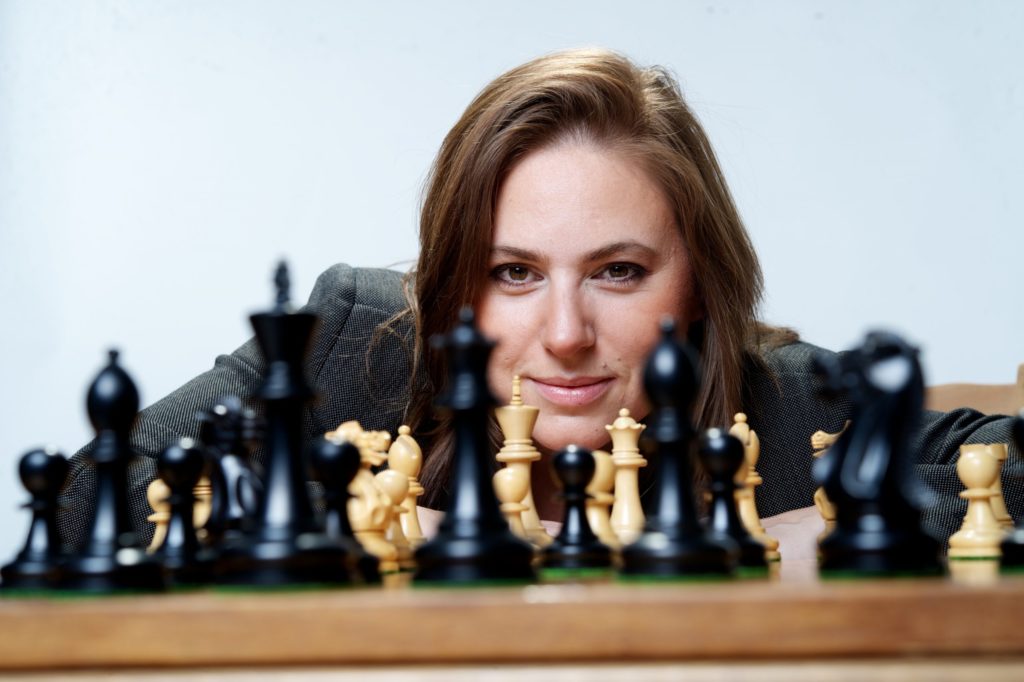
Judit Polgár

Judit Polgár
With an IQ of 170, Judit Polgár was a Hungarian chess player who is widely considered to be the
best female chess player of all time. At the age of 15 years and 4 months, Polgár won the title of
Grandmaster, at the time the youngest to have done so. She is also the youngest person to ever
break into the FIDE top 100 players rating list. She was the top-rated woman in the world from
January 1989 until her retirement on 13 August 2014.


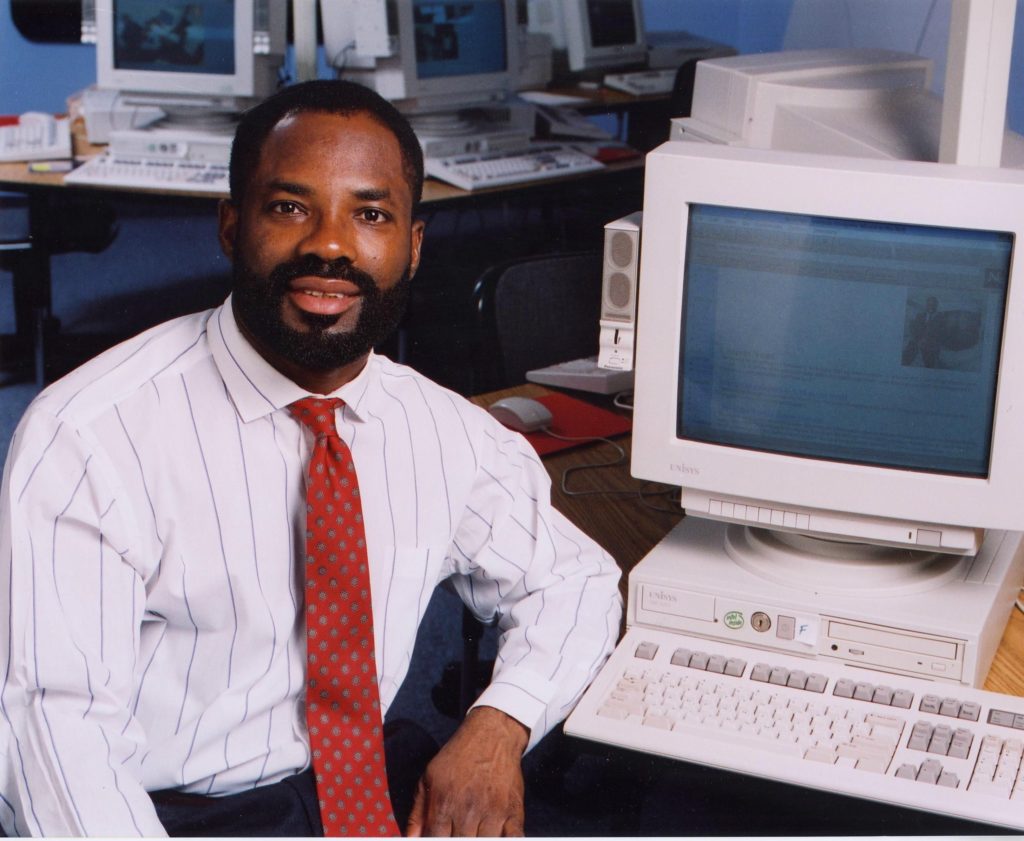
Philip Emeagwali

Philip Emeagwali is a Nigerian computer scientist who won the 1989 Gordon Bell Prize for priceperformance in high-performance computing applications, by using an innovative mathematical
formula and applying it in an oil reservoir modeling calculation. With an IQ of 190, Philip was
voted as the greatest African scientist of all time. As an interesting sidenote, his math work is
often considered as being influential in the construction of the internet.


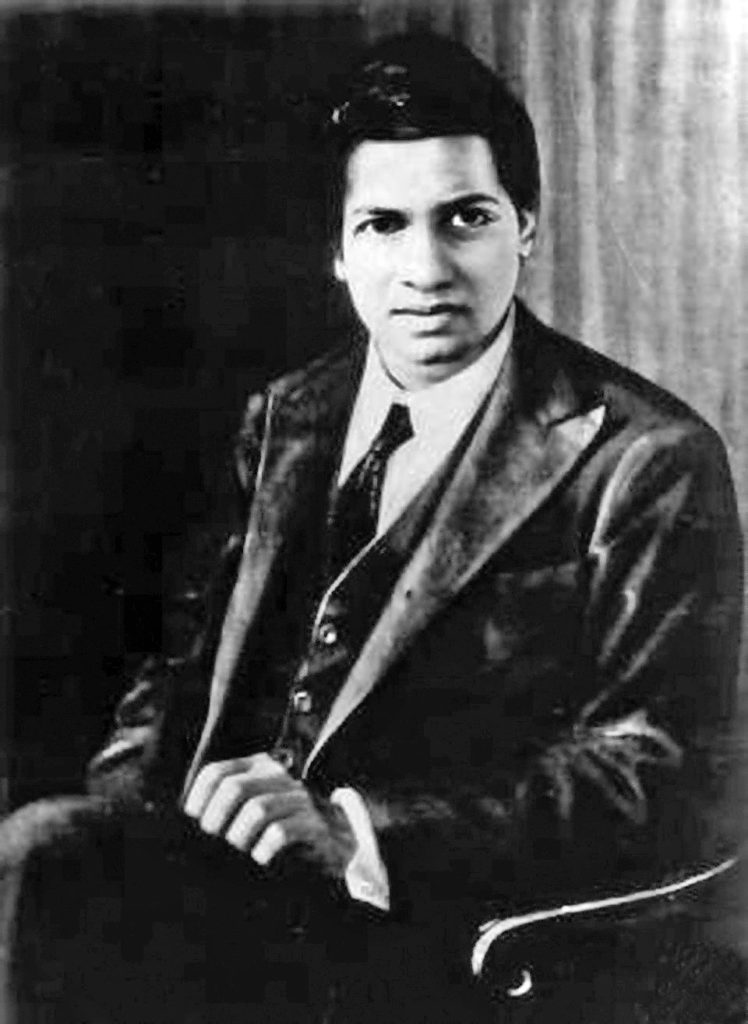
Srinivasa Ramanujan


Srinivasa Ramanujan was an Indian mathematician who made significant contributions to
analysis, number theory, infinite series and continued fractions, together with solutions to
mathematical problems then deemed unknowable. Ramanujan, who had almost no proper
training in mathematics, initially developed his own research in isolation. His estimated IQ was
185.


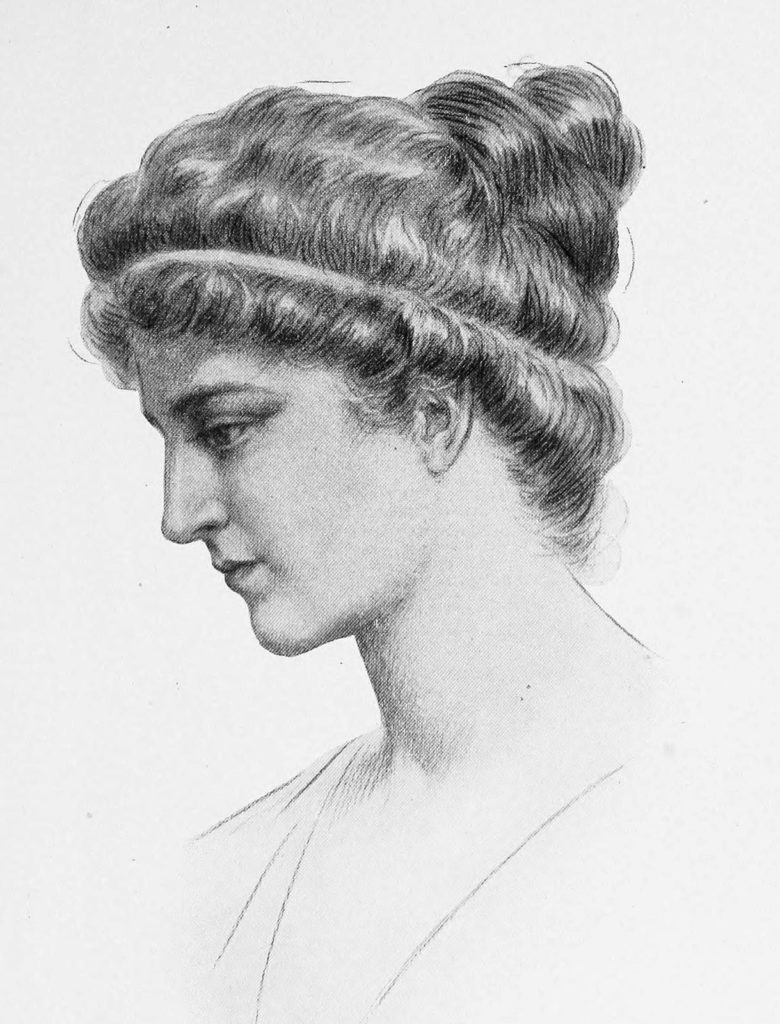
Hypatia of Alexandria

Hypatia was a Greek astronomer, philosopher and mathematician who lived in Egypt, then part
of the Eastern Roman Empire. Although heralded by Pandrosion, another Alexandrine female
mathematician, she is the first female mathematician whose life is reasonably well recorded.
With an estimated IQ of 170-190, she was brutally murdered by a group of Christian fanatics
after being accused of witchcraft.


Gottfried Leibniz

Gottfried Wilhelm Leibniz was a renowned German polymath and one of the most significant
logicians, mathematicians and natural philosophers of the Enlightenment and is best known for
inventing calculus. In philosophy, Leibniz is most illustrious for his optimism – his conclusion that
our universe is, in a limited sense, the best possible one that God could have created. Leibniz’s
IQ estimates range from 182 to 205.


Andrew Wiles


Sir Andrew John Wiles is an English mathematician and a Royal Society Research Professor at
the University of Oxford, specialized in number theory. In 1995, Wiles verified a 358-year-old
mathematical theory called Fermat’s Last Theorem, which until then was registered in the
Guinness Book of World Records as the “most difficult math problem” in the world. He was
appointed Knight Commander of the Order of the British Empire in 2000. Sir Andrew Wiles is
said to have an IQ of 170.


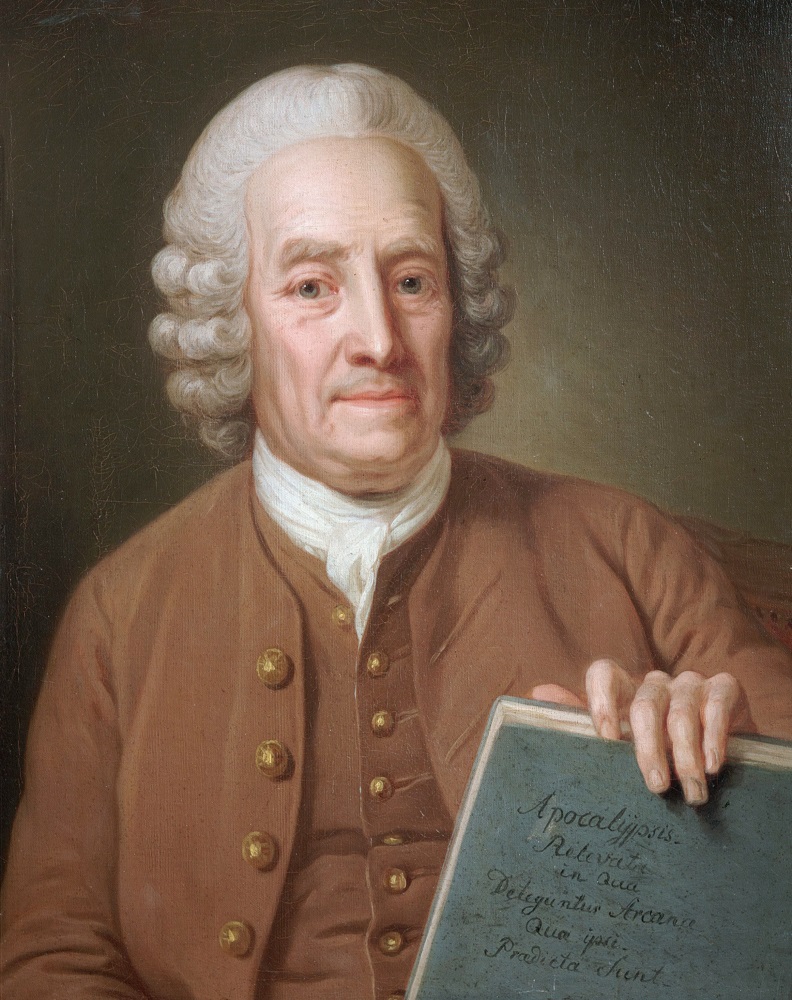
Emanuel Swedenborg


Emanuel Swedenborg was a Swedish theologian, scientist, philosopher and mystic. He is best
known for his book on the afterlife, Heaven and Hell. In 1741 he began to experience dreams
and visions which concluded in a “spiritual arising” in which he received a revelation that he was
appointed by Jesus Christ to write The Heavenly Doctrine to reform Christianity.


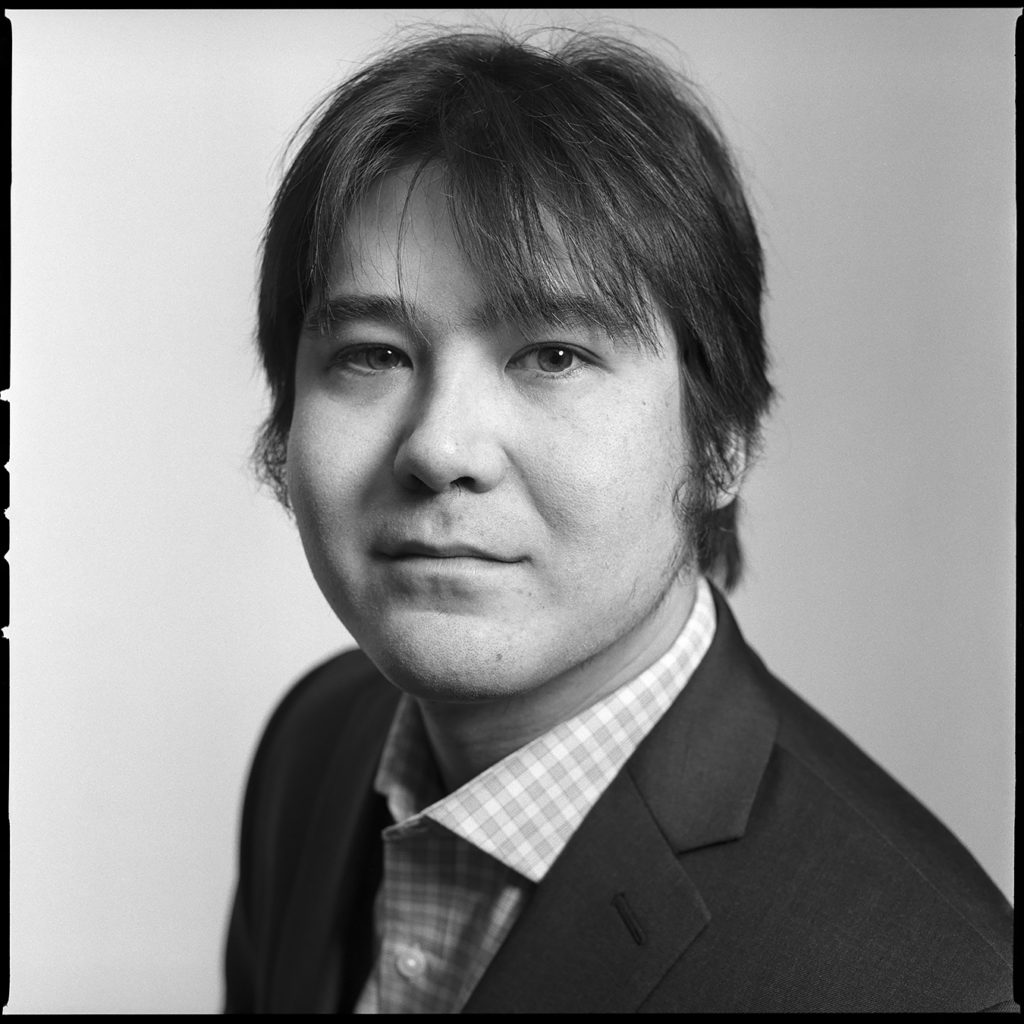
Christopher Hirata


Christopher Hirata is an American cosmologist and astrophysicist who was hired by NASA at the
age of 16 to do some research on the colonization of Mars. Christopher was only 13 when this
child prodigy won the gold medal in 1996 at the International Physics Olympiad. He also received
his PhD under the supervision of Uroš Seljak in 2005 from Princeton University in Astrophysics.


Kim Ung-Yong


Kim Ung-Yong is a South Korean professor and former child prodigy said to hold the highest IQ
score (210) according to the Guinness World Records. At the age of one, Kim had learned both
the Korean alphabet and 1,000 Chinese characters by studying the Thousand Character Classic,
a 6th-century Chinese poem. At three years old, he began to solve calculus problems. At 5, Kim
had acquired astonishing linguistic skills and could speak Korean, English, French, German and
Japanese.


Ainan Cawley


Ainan Celeste Cawley is a Singaporean boy prodigy who, according to his parents, had said his
first word when he was two weeks old, could walk at six months of age and build difficult
sentences by his first birthday. Cawley gave his first public speech at the age of six and at seven
years and one month of age, he had passed the GCSE chemistry and studied chemistry at the
Singapore Polytechnic a year later. At the age of 9, he was able to recite pi to 518 decimal places
and could remember the periodic table.


Christopher Langan


Christopher Michael Langan is an American autodidact who is considered an intellectual prodigy.
ABC’s 20/20 estimated that Langan’s IQ is anywhere between 195 and 210 dubbing him what
most journalists consider as the smartest man in America. Growing up, Christopher Langan
quickly showed above-average skills: he could speak at six months of age, read by his third
birthday and even question the existence of God by age five. He obtained a perfect score on his
SAT, despite having fallen asleep during the test. He is an avid learner, regardless of the subject,
and can study math, languages and philosophy for long periods of time each day.

This site is registered on wpml.org as a development site. Switch to a production site key to remove this banner.